INTRODUCTION
Strategic planning has become an essential component of public sector management because it enables institutions to align organizational objectives with social needs, improve resource allocation, strengthen decision-making, and promote transparency. Beyond the formulation of institutional objectives, effective strategic planning requires organizations to anticipate risks, adapt to changes in their environment, and translate strategic priorities into concrete actions 1. In parallel, transformational leadership has gained relevance as a management approach capable of motivating employees, promoting innovation, and facilitating organizational transformation. However, its application in developing countries remains limited, particularly in public institutions characterized by technological constraints and distinctive governance structures 2.
This study contributes to Sustainable Development Goal 12 (SDG 12): Responsible Consumption and Production, particularly Target 12.6, which promotes the adoption of sustainable practices and the incorporation of sustainability information into institutional processes. From this perspective, strengthening strategic planning and transformational leadership may contribute to the efficient and responsible management of public resources, reduce waste, promote transparency, and foster organizational cultures oriented toward continuous improvement. In healthcare institutions, these practices may also support more sustainable management processes and contribute to improving the quality of services provided to the population.
At the international level, evidence reveals challenges associated with planning, leadership, management, and service delivery. In Italy, limited awareness of individual planning processes may constrain strategic decision-making 3. In Brazil, strategic planning requires effective interaction among authorities, technical personnel, and the community, since weak relational processes may hinder implementation 4. In Canada, high workloads and occupational stress affect physicians' well-being, while weaknesses in management and monitoring limit the assessment of implemented measures 5. In Indonesia, insufficient training, limited compliance with safety regulations, and inadequate use of protective equipment increase occupational risks, highlighting the relevance of transformational leadership 6. Likewise, in United States police agencies, employee turnover affects organizational stability, although the effects of transformational leadership vary across supervisors 7. In Ecuador, delays, delivery errors, and communication problems in last-mile logistics negatively affect user experience and confidence in collaborative delivery services 8.
In Peru, institutional weaknesses related to strategic planning, management control, and organizational performance have also been reported. Several public institutions face difficulties in the formulation of strategic plans because of unclear methodologies, insufficient technical knowledge, and limited managerial capabilities, resulting in unrealistic or poorly implemented plans 9. Furthermore, weak management control mechanisms may restrict the monitoring of objectives, timely decision-making, and continuous improvement in public institutions 10. Regional governments in southern Peru also face difficulties in managing administrative, financial, and social risks, with limitations in decision-making, transparency, resource execution, and leadership 11. These conditions demonstrate the need to strengthen strategic management and leadership practices within public organizations.
At the local level, a Health Network in Chanchamayo faces deficiencies in service quality associated with weaknesses in strategic planning and management control. The problem is reflected in insufficient alignment between institutional objectives and implemented actions, together with limited development of transformational leadership and weaknesses in monitoring organizational performance. These conditions may contribute to lower user satisfaction, employee demotivation, and reduced confidence in healthcare services. In addition, the limited presence of leaders capable of motivating personnel and promoting continuous improvement, combined with insufficient evidence-based decision-making, may restrict the institution's long-term development. Therefore, the study addressed the following research question: What is the relationship between strategic planning, transformational leadership, and service quality in a Health Network in Chanchamayo in 2025?
Strategic planning
Strategic planning was supported by the Rational Design Theory proposed by Ansoff in 1965. According to Puyt et al. 12, this theory considers strategic planning as a rational and structured process in which organizations analyze their environment, establish clear objectives, and formulate strategies consistent with their internal capabilities. The approach assumes that strategic decisions are deliberate and based on systematic analysis, allowing organizations to anticipate changes and improve their efficiency and long-term competitiveness.
Strategic planning is understood as a continuous, participatory, and flexible process through which organizations analyze their environment, define objectives, and allocate resources to guide future actions 13. It also involves managing contexts in which different actors share power, articulate interests, mobilize resources, and influence organizational decisions 4 14. From a prospective perspective, strategic planning integrates territorial information, institutional goals, and political decisions to guide development and strengthen decision-making in changing environments 15.
Strategic planning comprises four dimensions according to Ferreira and Abreu 4. The sociopolitical dimension refers to the influence of internal and external actors, interests, and power relations on organizational decision-making. The technical-health dimension encompasses operational and technical aspects related to the quality, coverage, and efficiency of healthcare services. The managerial dimension concerns the ability of managers to lead, organize resources, and implement plans effectively. Finally, the intersubjective or relational dimension involves communication, participation, and relationships among organizational members, promoting cooperation and consensus in planning.
Transformational leadership
Transformational leadership was grounded in the theory developed by Burns in 1978 and expanded by Bass in 1985. According to Sánchez-García et al. 16, transformational leadership focuses on the leader's ability to motivate and transform followers by promoting shared values, commitment, and a common vision. Thus, leadership goes beyond achieving organizational objectives by fostering the development of individuals and encouraging collective growth and organizational change.
Transformational leadership is understood as a leadership style that inspires and motivates individuals to pursue shared and more ambitious goals, while promoting creativity, personal development, and organizational commitment 17. It influences followers through individualized consideration, inspirational motivation, and intellectual stimulation, encouraging them to transcend individual interests in favor of collective objectives 18 19. Consequently, this leadership style promotes innovation, intrinsic motivation, and improved organizational performance by aligning individual development with institutional goals 20.
Transformational leadership comprises three dimensions according to Benavidez et al. 17. Motivation refers to the leader's ability to encourage followers' commitment and effort toward common goals. Innovation involves fostering new ideas and creativity to address challenges and improve organizational processes. Inspiration refers to communicating a clear and attractive vision that emotionally engages the team and promotes a shared sense of purpose and collective enthusiasm.
Service quality
Service quality was based on the Expectation-Confirmation Theory, proposed by Oliver in 1980. According to Jimenez et al. 21, this theory explains that users evaluate service quality by comparing their prior expectations with their perceptions of the service received. Satisfaction occurs when the perceived service meets or exceeds expectations, whereas dissatisfaction arises when performance falls below them. This approach therefore provides a basis for understanding users' evaluations of service experiences.
Service quality is understood as an organization's ability to consistently provide experiences that meet or exceed users' expectations through reliable, timely, and personalized services 21. It is also a dynamic process that adapts to users' changing needs and perceptions and encompasses both the services provided and the processes that support them 22. In healthcare, service quality involves meeting expected standards through technical efficiency, human-centered care, accessibility, responsiveness, and empathy toward patients' needs 23. Likewise, it involves consistency between what is promised and what is delivered, ensuring efficient, reliable, timely, and continuous care 24.
Service quality comprises four dimensions according to Jimenez et al. 21. Reliability refers to the ability to provide the promised service accurately and consistently. Responsiveness concerns the willingness and promptness of personnel in assisting users. Assurance relates to the competence, courtesy, and credibility demonstrated by personnel. Finally, empathy involves providing personalized and understanding attention adapted to the individual needs of each user.
Integrative theoretical framework
Strategic planning, transformational leadership, and service quality are interconnected elements in the management of healthcare organizations. Strategic planning provides direction by defining objectives, organizing resources, and guiding institutional actions according to the needs of the environment. From the rational design perspective, planning requires analyzing conditions, establishing priorities, and aligning organizational capabilities with the objectives to be achieved 12. However, the formulation of strategies alone does not ensure their effective implementation, since organizational results also depend on the ability of leaders to guide and motivate personnel.
In this context, transformational leadership complements strategic planning by promoting commitment, shared vision, innovation, and the development of organizational members. Leaders who motivate, inspire, and encourage new ways of addressing institutional challenges can facilitate the implementation of planned actions and strengthen the involvement of personnel in achieving organizational objectives 16. Thus, strategic planning establishes the direction of the organization, while transformational leadership contributes to mobilizing the people and resources required to put that direction into practice.
The relationship between these management elements is particularly relevant to service quality. In healthcare settings, quality depends not only on technical aspects but also on reliability, responsiveness, assurance, and empathy in the care provided to users. From the perspective of expectation confirmation theory, users evaluate the service by comparing their prior expectations with their perceptions of the service received 21. Therefore, adequate planning and effective leadership can contribute to creating organizational conditions that favor more timely, reliable, and user-oriented services.
Accordingly, the integrated framework assumes that strategic planning and transformational leadership constitute complementary management factors that may be associated with service quality. Strategic planning provides institutional direction and organizes resources, while transformational leadership facilitates the commitment and participation of personnel in implementing institutional objectives. Together, these elements may contribute to improving service processes and the experience of users. This relationship is particularly relevant in public healthcare organizations, where the quality of services depends on both the effectiveness of internal management and the capacity to respond to users' needs.
The study was justified theoretically by contributing to the understanding of service quality through the joint analysis of strategic planning and transformational leadership, while its practical relevance was related to generating evidence that could support managerial decision-making and institutional improvement in health services. Accordingly, the general objective was to determine the relationship between strategic planning, transformational leadership, and service quality in a Health Network in Chanchamayo in 2025. Based on this objective, the general hypothesis stated that strategic planning and transformational leadership were significantly related to service quality in the Health Network in Chanchamayo in 2025.
METHOD
The study was classified as applied research because it was oriented toward addressing a practical problem through the application of theoretical and scientific knowledge. Its purpose was to analyze the relationship between strategic planning, transformational leadership, and service quality in a Health Network in Chanchamayo, providing evidence that could support decision-making and the improvement of healthcare management.
A quantitative approach was adopted because it allowed the study variables to be measured objectively and their relationships to be analyzed through statistical procedures. Data were collected using standardized instruments, which made it possible to obtain measurable information and subsequently test the hypotheses formulated in the study 25.
The study followed a non-experimental, cross-sectional design, since the variables were observed in their natural context without manipulation. Data were collected at a single point in time, allowing the existing relationship between strategic planning, transformational leadership, and service quality to be examined without intervening in the institutional conditions of the participants 26. The scope was descriptive-correlational because the levels of the study variables were described and their relationships were subsequently analyzed, without establishing causal relationships 25.
The unit of analysis consisted of professional, technical, and administrative workers of a Health Network in Chanchamayo during 2025. The inclusion criteria comprised workers with an active employment relationship who performed operational or administrative functions related to healthcare services and voluntarily agreed to participate. Workers holding senior management positions, including directors, deputy directors, office heads, and other officials, were excluded because their decision-making responsibilities could influence their perceptions of strategic planning, transformational leadership, and service quality.
The population consisted of 144 workers, of whom 17 were excluded according to the established criteria, resulting in an effective population of 127 participants. Given the manageable size of the population, a census sampling approach was used, and the sample comprised all 127 workers who met the inclusion criteria.
Data were collected through a survey, which enabled the standardized and systematic collection of information regarding participants' perceptions of the study variables 25. A structured questionnaire was used as the data collection instrument. Strategic planning comprised 12 items distributed across the sociopolitical, technical-health, managerial, and intersubjective or relational dimensions, with three items for each dimension. Transformational leadership comprised nine items distributed across the motivation, innovation, and inspiration dimensions, with three items for each. Service quality comprised 12 items distributed across the reliability, responsiveness, assurance, and empathy dimensions, also with three items for each dimension. All items were assessed using a five-point Likert scale.
Content validity was established through expert judgment, who assessed the relevance, clarity, and coherence of the items in relation to the variables and indicators. Instrument reliability was assessed through a pilot test, and internal consistency was determined using Cronbach's alpha coefficient. A coefficient of 0.70 or higher was considered acceptable, indicating adequate internal consistency of the questionnaire.
For data processing, the completed questionnaires were first organized in a database using Microsoft Excel and subsequently processed using SPSS version 27. Descriptive analysis was performed using frequencies and percentages to summarize the behavior of the study variables. Inferential analysis was then conducted to test the research hypotheses and determine the statistical significance of the relationships between strategic planning, transformational leadership, and service quality.
Ethical considerations were based on the Code of Ethics of César Vallejo University. Informed consent was obtained from all participants after explaining the purpose of the study and the voluntary nature of their participation. Confidentiality and anonymity were maintained throughout the research process, and the principles of beneficence and non-maleficence were respected. In addition, integrity, transparency, and academic responsibility were maintained during data collection, processing, analysis, and presentation of the findings.
RESULTS
The results obtained from the study are presented below based on the established research objectives. First, the distribution and behavior of the study variables were examined through descriptive and inferential statistical analysis. Subsequently, the relationships between strategic planning, transformational leadership, and service quality, as well as the relationships between their respective dimensions, were determined using the statistical procedures established in the methodology.
Table 1.
Normality test of the study variables.
|
Variables |
Kolmogorov-Smirnov |
||
|
Statistic |
df |
Sig. |
|
|
Strategic planning |
0.162 |
127 |
0.000 |
|
Transformational leadership |
0.174 |
127 |
0.000 |
|
Service quality |
0.183 |
127 |
0.000 |
Source: Data obtained from SPSS version 27 based on the survey administered to workers of a Health Network in Chanchamayo.
Table 1 presents the normality test for strategic planning, transformational leadership, and service quality, based on 127 workers from a Health Network in Chanchamayo. Since the sample comprised more than 50 participants, the Kolmogorov-Smirnov test was applied. The three variables obtained significance values of 0.000 (p < 0.001), which were below the established significance level of 0.05. Therefore, the assumption of normality was rejected, indicating that the data did not follow a normal distribution. Consequently, the non-parametric Spearman's rank correlation coefficient (Rho) was used to test the research hypotheses.
The general objective was to determine the relationship between strategic planning, transformational leadership, and service quality in a Health Network in Chanchamayo in 2025. Accordingly, the general hypothesis proposed a significant relationship among these variables. A significance level of 0.05 was established as the decision criterion; therefore, a p-value below 0.05 led to the rejection of the null hypothesis and acceptance of the alternative hypothesis.
Table 2.
Spearman’s correlation of the study variables.
|
Variables |
Spearman’s Rho |
Service quality |
|
Strategic planning |
Correlation coefficient |
0.828 |
|
Sig. (two-tailed) |
0.003 |
|
|
N |
127 |
|
|
Transformational leadership |
Correlation coefficient |
0.719 |
|
Sig. (two-tailed) |
0.003 |
|
|
N |
127 |
Source: Data obtained from SPSS version 27 based on the survey administered to workers of a Health Network in Chanchamayo.
Table 2 shows the Spearman correlation results for the study variables. Strategic planning presented a positive and very strong relationship with service quality (Rho = 0.828; p = 0.003). Likewise, transformational leadership showed a positive and strong relationship with service quality (Rho = 0.719; p = 0.003). Since both p-values were below 0.05, the null hypotheses were rejected. Thus, strategic planning and transformational leadership were significantly related to service quality in the Health Network in Chanchamayo in 2025.
The first specific objective was to describe the levels of strategic planning, transformational leadership, and service quality among workers of a Health Network in Chanchamayo in 2025. The results are presented in Figure 1.
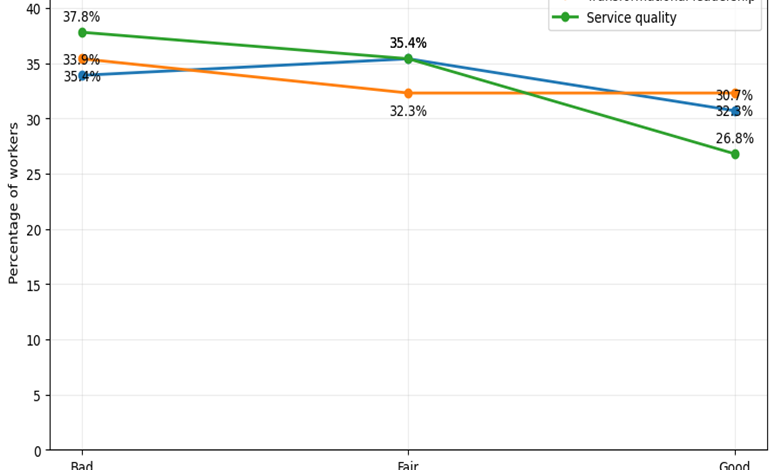
Figure 1. Levels of strategic planning, transformational leadership, and service quality.
Source: Data obtained using SPSS version 27 based on the survey administered to workers of a Health Network in Chanchamayo.
Figure 1 presents the levels of strategic planning, transformational leadership, and service quality among the 127 workers surveyed. Strategic planning was mainly rated as fair (35.4%), followed by bad (33.9%) and good (30.7%). Transformational leadership showed a higher proportion at the bad level (35.4%), while the fair and good levels accounted for 32.3% each. Regarding service quality, 37.8% of the workers reported a bad level, 35.4% a fair level, and 26.8% a good level. Overall, the results showed that the three variables were concentrated mainly at the bad and fair levels.
The second specific objective was to determine the relationship between the dimensions of strategic planning and service quality in a Health Network in Chanchamayo in 2025. Accordingly, the first specific hypothesis proposed that the dimensions of strategic planning were significantly related to service quality in the institution under study.
Table 3.
Spearman’s correlation between the dimensions of strategic planning and service quality.
|
Dimensions of strategic planning |
Spearman’s Rho |
Service quality |
|
Sociopolitical |
Correlation coefficient |
0.537 |
|
Sig. (two-tailed) |
0.003 |
|
|
N |
127 |
|
|
Technical-health |
Correlation coefficient |
0.464 |
|
Sig. (two-tailed) |
0.003 |
|
|
N |
127 |
|
|
Managerial |
Correlation coefficient |
0.615 |
|
Sig. (two-tailed) |
0.002 |
|
|
N |
127 |
|
|
Intersubjective or relational |
Correlation coefficient |
0.531 |
|
Sig. (two-tailed) |
0.003 |
|
|
N |
127 |
Source: Data obtained from SPSS version 27 based on the survey administered to workers of a Health Network in Chanchamayo.
Table 3 shows positive and statistically significant relationships between all dimensions of strategic planning and service quality. The sociopolitical dimension presented a positive and moderate relationship (Rho = 0.537; p = 0.003). Similarly, the technical-health dimension showed a positive and moderate relationship (Rho = 0.464; p = 0.003). The managerial dimension obtained the highest correlation coefficient (Rho = 0.615; p = 0.002), indicating a positive and moderate relationship with service quality. Finally, the intersubjective or relational dimension also showed a positive and moderate relationship (Rho = 0.531; p = 0.003). Since all significance values were below 0.05, the null hypotheses were rejected, confirming that the dimensions of strategic planning were significantly related to service quality in the Health Network in Chanchamayo in 2025.
The third specific objective was to determine the relationship between the dimensions of transformational leadership and service quality in a Health Network in Chanchamayo in 2025. Accordingly, the specific hypothesis proposed that the dimensions of transformational leadership were significantly related to service quality.
Table 4.
Spearman’s correlation between the dimensions of transformational leadership and service quality.
|
Dimensions of transformational leadership |
Spearman’s Rho |
Service quality |
|
Motivation |
Correlation coefficient |
0.637 |
|
Sig. (two-tailed) |
0.001 |
|
|
N |
127 |
|
|
Innovation |
Correlation coefficient |
0.762 |
|
Sig. (two-tailed) |
0.000 |
|
|
N |
127 |
|
|
Inspiration |
Correlation coefficient |
0.700 |
|
Sig. (two-tailed) |
0.001 |
|
|
N |
127 |
Source: Data obtained from SPSS version 27 based on the survey administered to workers of a Health Network in Chanchamayo.
Table 4 shows positive and statistically significant relationships between all dimensions of transformational leadership and service quality. Motivation presented a positive and moderate relationship with service quality (Rho = 0.637; p = 0.001). Innovation showed a positive and strong relationship (Rho = 0.762; p < 0.001), representing the highest correlation among the dimensions analyzed. Likewise, inspiration presented a positive and strong relationship with service quality (Rho = 0.700; p = 0.001). Since all significance values were below 0.05, the null hypotheses were rejected, confirming that motivation, innovation, and inspiration were significantly related to service quality in the Health Network in Chanchamayo in 2025.
The fourth specific objective was to design a strategic proposal aimed at strengthening service quality based on the findings regarding strategic planning and transformational leadership in a Health Network in Chanchamayo in 2025.
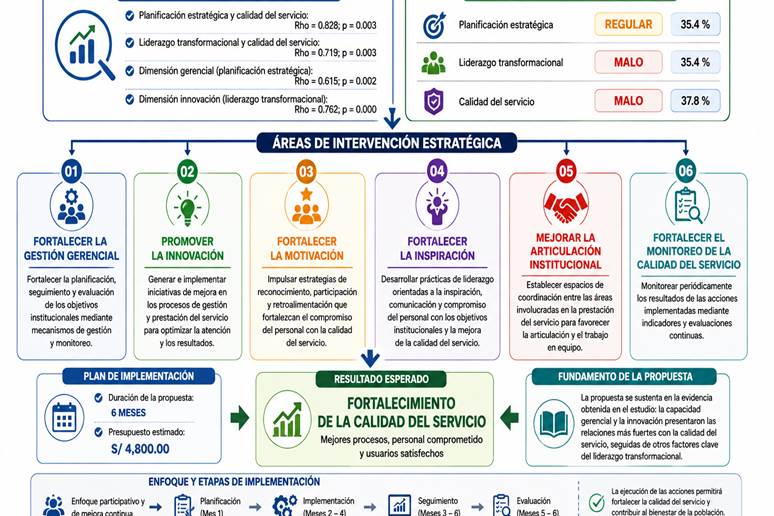
Figure 2. Strategic proposal to strengthen service quality in a Health Network in Chanchamayo.
Source: Prepared by the authors based on the findings of the study.
As shown in Figure 2, a strategic proposal was designed based on the findings to strengthen service quality through improvements in strategic planning and transformational leadership. The proposal prioritized managerial capacity and innovation, as these dimensions showed the strongest relationships with service quality, with Rho values of 0.615 (p = 0.002) and 0.762 (p < 0.001), respectively. It also incorporated actions aimed at strengthening staff motivation, inspiration, institutional coordination, and continuous monitoring of service quality. The proposal was structured around six intervention areas: managerial capacity, innovation, motivation, inspiration, institutional coordination, and service quality monitoring, with an implementation period of six months and an estimated budget of S/ 4,800.00.
DISCUSSION
The results showed a positive and very strong relationship between strategic planning and service quality (Rho = 0.828; p = 0.003), as well as a positive and strong relationship between transformational leadership and service quality (Rho = 0.719; p = 0.003). These findings were consistent with Orellana et al. 27, who reported positive relationships between strategic planning and managerial competencies with organizational sustainability, and with Morales et al. 28, who found that transformational leadership contributed to organizational adaptation and performance. Likewise, Salvatierra et al. 29 identified organizational and resource limitations that affected the implementation of quality assurance processes in health services. Taken together, these findings suggest that service quality is associated not only with the existence of planning mechanisms but also with the capacity of leaders to guide personnel and organizational processes toward common objectives. In the context analyzed, the strength of the associations obtained indicates that improvements in strategic planning and transformational leadership could be relevant for strengthening service quality.
The descriptive findings showed that strategic planning was predominantly classified as fair (35.4%), while transformational leadership and service quality were mainly classified as bad (35.4% and 37.8%, respectively). These results were consistent with Ferreira and Abreu 4, who identified limitations in work management and health communication despite strengths in participatory management, suggesting that the presence of planning mechanisms does not necessarily guarantee their effective implementation. In contrast, Huangal-Scheineder et al. 30 highlighted the positive contribution of transformational leadership to organizational performance, collaboration, and institutional culture, whereas Chujandama et al. 31 emphasized the importance of service quality and empathy in users' perceptions. The differences may be associated with the characteristics of the institutions and populations studied; however, the predominance of fair and bad levels in the present study indicates the need to strengthen planning, leadership, and service delivery practices within the Health Network.
The findings demonstrated positive and significant relationships between all dimensions of strategic planning and service quality, namely sociopolitical (Rho = 0.537; p = 0.003), technical-health (Rho = 0.464; p = 0.003), managerial (Rho = 0.615; p = 0.002), and intersubjective or relational (Rho = 0.531; p = 0.003), with the managerial dimension presenting the strongest association. These findings were consistent with Aguirre-Camarena 32, who emphasized the contribution of strategic and prospective planning to decision-making, innovation, and organizational resilience, while Andrade et al. 33 highlighted the importance of integrating different organizational components within institutional planning. The results also suggest that planning should extend beyond the formulation of objectives and incorporate managerial coordination, technical processes, interaction among organizational actors, and consideration of the institutional environment. Thus, the stronger association observed for the managerial dimension may indicate that the organization of resources, decisions, and institutional activities plays a particularly relevant role in the quality of health services.
The results showed positive and significant relationships between the dimensions of transformational leadership and service quality, with motivation presenting a moderate relationship (Rho = 0.637; p = 0.001), while innovation (Rho = 0.762; p < 0.001) and inspiration (Rho = 0.700; p = 0.001) presented strong relationships, with innovation showing the highest coefficient. These findings were consistent with Aarons et al. 34, who reported improvements in transformational leadership and organizational change following an intervention in health organizations, and with De La Rada et al. 35, who identified an important relationship between transformational leadership, organizational culture, and employee performance. Similarly, Payne et al. 6 emphasized the relevance of leadership practices in strengthening organizational processes, although they noted that transformational leadership remained insufficiently developed in some contexts. Therefore, the results suggest that leadership practices focused on innovation, inspiration, and personnel motivation may contribute to strengthening service quality, particularly when they are oriented toward organizational improvement and shared institutional objectives.
Based on the findings, a strategic proposal was designed to strengthen service quality by prioritizing managerial capacity and innovation, which presented the strongest relationships with service quality, together with actions related to motivation, inspiration, institutional coordination, and monitoring. This approach was consistent with Segovia-Meza et al. 36, who proposed a participatory change-management model in health establishments based on identifying needs, implementing actions, and using feedback for continuous adjustment, while Oviedo et al. 37 highlighted the relevance of systematic institutional monitoring for strategic decision-making and alignment with organizational priorities. In addition, Moreno-Menéndez et al. 38 emphasized the relationship between organizational commitment and administrative management in public services, supporting the inclusion of personnel participation and motivation in improvement strategies. Therefore, the proposal responds directly to the main weaknesses identified in the study and provides an integrated approach to strengthen management and leadership as mechanisms for improving service quality.
CONCLUSIONS
The study concluded that strategic planning and transformational leadership constituted complementary organizational factors associated with service quality in the Health Network of Chanchamayo. From a theoretical perspective, the findings expanded the understanding of service quality by showing that its analysis was not limited to the characteristics of service delivery, but also involved organizational processes related to planning, managerial coordination, leadership, and personnel mobilization. Thus, the study integrated strategic planning and transformational leadership into a common framework for understanding service quality in a public health context.
The study also concluded that managerial capacity and innovation represented relevant dimensions for understanding the relationship between organizational management and service quality. This finding contributed to the theoretical discussion by suggesting that strategic planning was more than a formal administrative process and that transformational leadership involved more than motivating personnel, as both could function as mechanisms for organizational improvement. Consequently, the study provided contextual evidence from a Peruvian health network that supported a more integrated perspective of service quality, in which strategic decision-making, innovation, leadership practices, and organizational coordination were interconnected.
It is recommended that the management of the Health Network strengthen strategic planning and transformational leadership through continuous managerial coordination, innovation, personnel motivation, and institutional communication, with emphasis on actions that contribute to improving service quality. Particular attention should be given to managerial capacity and innovation, given their relevance within the organizational relationships identified in the study.
Future research should examine the relationship between strategic planning, transformational leadership, and service quality in other health institutions and regions of Peru, considering broader samples and longitudinal designs. This would allow the stability of these relationships to be assessed over time and would contribute to expanding the theoretical evidence on the organizational factors associated with health service quality.
FUNDING
This research was financially supported by César Vallejo University (UCV), which provided the necessary resources to carry out the study, including data collection, analysis, and dissemination of the findings.
ETHICS STATEMENT
The study was conducted in accordance with the ethical principles established by Universidad César Vallejo. Informed consent was obtained from all participants prior to their participation. The confidentiality and anonymity of the participants were guaranteed, and the information collected was used exclusively for academic and research purposes.
DISCLOSURE OF AI USE
The authors used ChatGPT (OpenAI) solely as a language-support tool for improving the English language, grammar, and clarity of the manuscript. The authors reviewed and edited all AI-assisted content and take full responsibility for the accuracy, originality, interpretation, and final content of the manuscript.
REFERENCES CONSULTED
1. Pereira Ferrero L, Salles-Filho S. Planning and resource allocation models in research-intensive universities: budget allocation and the search for excellence. Humanit Soc Sci Commun. 2025;12:482. https://doi.org/10.1057/s41599-025-04778-z
2. Ly B. Leveraging leadership and digital transformation for sustainable development: insights from Cambodia's public sector. Sustain Futures. 2025;9:100545. https://doi.org/10.1016/j.sftr.2025.100545
3. Balconi M, Allegretta R, Angioletti L. Metacognition of one's strategic planning in decision-making: the contribution of EEG correlates and individual differences. Cogn Neurodyn. 2025;19:4. https://doi.org/10.1007/s11571-024-10189-8
4. Ferreira Carneiro S, Abreu de Jesus W. Dimensão relacional do planejamento estratégico municipal: um relato de experiência. Interface (Botucatu). 2025;29:e230579. https://doi.org/10.1590/interface.230579
5. Evans J, Ruller S, Wooller K, Hasimja Saraqini D, Gaudreau-Simard M. A quality improvement initiative aimed at reducing service strain and improving physician wellness in internal medicine. BMC Med Educ. 2025;25:149. https://doi.org/10.1186/s12909-025-06656-3
6. Payne M, Roache D, Subero J, Zhang G. How safety leadership styles impact safety performance: a case study. J Safety Res. 2025;93:214-28. https://doi.org/10.1016/j.jsr.2025.02.006
7. Choi M, Kim S, Woo Y. The impact of transformational leadership by chiefs and supervisors on law enforcement turnover intention: an examination of job satisfaction and commitment as mediators. Policing. 2025;48(3):610-29. https://doi.org/10.1108/PIJPSM-09-2024-0146
8. Guerra-Regalado W, Guevara R. Direct and indirect effect of last mile logistics performance on user intention of crowdsourced delivery services. Transp Res Interdiscip Perspect. 2025;31:101410. https://doi.org/10.1016/j.trip.2025.101410
9. Altamirano Taica A, Gamboa-Cruzado J, Hidalgo Sánchez A. Planeamiento estratégico y su impacto en la administración pública. Rev Venez Gerenc. 2023;28(102):477-98. https://doi.org/10.52080/rvgluz.28.102.3
10. Menacho Vargas I, Vásquez Ramos S, Gonzales Salvador G, Guerrero Salazar F. Control interno y desempeño laboral: colaboradores de una municipalidad, Trujillo - Perú. Rev Venez Gerenc. 2024;29(107):653-66. https://doi.org/10.52080/rvgluz.29.107.39
11. Jinchuña Huallpa J, Mayta Huiza D, Flores Arocutipa J, Fernández Sosa L. Liderazgo, control simultáneo y superación de riesgos en los gobiernos regionales del sur del Perú. Rev Venez Gerenc. 2024;29(E12):1295-313. https://doi.org/10.52080/rvgluz.29.e12.25
12. Puyt R, Antoniou P, Caputo A. The Ansoff archive: revisiting Ansoff's legacy and the holistic approach to strategic management. Strateg Change. 2024;33(6):513-8. https://doi.org/10.1002/jsc.2600
13. Pezo Castillo C, Delgado-Bardales J, Contreras-Julián R. Strategic planning and budget execution of sports activities for workers of public institutions. Podium. 2025;20(1):e1750. https://podium.upr.edu.cu/index.php/podium/article/view/1750
14. Morgenstern Brenner R, Arias C, Schmitt A. Gender inclusive planning for disasters: strategic planning to build adaptive capacity and resilience. J Emerg Manag. 2025;23(2):201-10. https://doi.org/10.5055/jem.0895
15. Merlo A, Aranda J, Lirussi G, Roldan C. Integración territorial y business analytics en la planificación estratégica pública. Cuad Cent Estud Diseño Comun. 2025;(252):197-210. https://doi.org/10.18682/cdc.vi252.12136
16. Sánchez-García C, Morales-Sánchez V, Reigal R, Hernández-Mendo A. Relaciones entre el liderazgo transformacional del profesor y las experiencias óptimas de adolescentes en Educación Física: una revisión sistemática. Cuad Psicol Deporte. 2024;24(3):1-18. https://doi.org/10.6018/cpd.623711
17. Benavidez Nuñez C, Fernández Otoya F, Benavidez Nuñez F, García González M. Estilos de liderazgo de los funcionarios en las entidades públicas. Rev Cubana Educ Super. 2024;43(1). http://scielo.sld.cu/scielo.php?script=sci_arttext&pid=S0257-43142024000100011
18. Geraldo-Campos L, Mascaro-Canales P, Salas-Tenesaca EE, Tito-Huamani P. Transformational leadership and corporate social responsibility: the mediating role of digital transformation. Probl Perspect Manag. 2025;23(3):751-65. https://doi.org/10.21511/ppm.23(3).2025.53
19. Muguerza-Florián E, García-Salirrosas E, Villar-Guevara M, Fernández-Mallma I. Investigating the association between transformational leadership and job satisfaction: the role of gratitude towards the organization in the Peruvian context. Adm Sci. 2025;15(9):349. https://doi.org/10.3390/admsci15090349
20. Morán Criollo I, Jurado Fernández C, Elizalde Cordero C. Indicators of soft skills of transformational leadership in the constructive resolution of conflicts among school teachers in Ecuador. Conrado. 2024;20(101):617-28. https://conrado.ucf.edu.cu/index.php/conrado/article/view/4210
21. Jimenez Flores V, Jimenez Flores O, Jimenez Castilla J, Jimenez Flores J. Improving customer loyalty in multinational companies: the role of perceived value and service quality. Rev InveCom. 2025;5(4):1-9. https://doi.org/10.5281/zenodo.14827892
22. Palacios-Moya L, Valencia-Arias J, Llontop Ynga E, Dávila Vigil D, Rodríguez-Correa P. Accessibility to health services in patients with prostate cancer in Colombian context: a quantitative approach based on the Tanahashi model. Cogent Soc Sci. 2025;11(1):2488118. https://doi.org/10.1080/23311886.2025.2488118
23. Fajardo-Bravo N, Vera-Veliz E, Pinto-Arboleda R. Quality of services provided to users of public institutions. Estud Desarro Soc Cuba Am Lat. 2025;13(1):60-70. http://scielo.sld.cu/pdf/reds/v13n1/2308-0132-reds-13-01-e6.pdf
24. Cecilio Llamocca N, Ramos Andrade S, Huachaca Urbina A. Service quality and its impact on customer satisfaction in a cooperative market in Chorrillos District, Lima, Peru (2022). Ind Data. 2025;28(1):61-79. https://doi.org/10.15381/idata.v28i1.26171
25. Barroga E, Matanguihan GJ, Furuta A, Arima M, Tsuchiya S, Kawahara C, et al. Conducting and writing quantitative and qualitative research. J Korean Med Sci. 2023;38(37):e291. https://doi.org/10.3346/jkms.2023.38.e291
26. Wang X, Cheng Z. Cross-sectional studies: strengths, weaknesses, and recommendations. Chest. 2020;158(1S):S65-71. https://doi.org/10.1016/j.chest.2020.03.012
27. Orellana Orellana E, González Veintimilla M, Cárdenas Vivar N, Belén Viñan M. Planificación estratégica y habilidades gerenciales de instituciones financieras populares en Ecuador. Rev Venez Gerenc. 2025;30(109):163-82. https://doi.org/10.52080/rvgluz.30.109.11
28. Morales García R, Lozano García J, Ledesma Zavala A, Cuevas Vargas H. Liderazgo transformacional y su incidencia en el desempeño empresarial de las micro y pequeñas empresas de Guadalajara de Buga, Colombia. Rev Fac Cienc Econ. 2023;31(2):73-90. https://doi.org/10.18359/rfce.6701
29. Salvatierra Litardo L, Pallaroso Granizo R, Almeida Ochoa N. Public management and its impact on the service and care to people with functional diversity at the State Technical University of Quevedo. Estud Desarro Soc Cuba Am Lat. 2025;13(1). http://scielo.sld.cu/scielo.php?script=sci_arttext&pid=S2308-01322025000100005&lang=en
30. Huangal-Scheineder S, Cieza-Sánchez J, Diaz-Paredes M, Arriaga-Delgado M, Marchena-Tafur A. Leadership and its impact on educational institutions: a systematic review. Int J Eval Res Educ. 2024;13(6):3628-40. https://doi.org/10.11591/ijere.v13i6.29169
31. Chujandama Bendezú R, Saldaña Vargas A, Troya Palomino D. Efecto de la calidad de servicio en la satisfacción y lealtad de los clientes en una empresa ferretera del nororiente peruano. Rev Cient Cienc Soc. 2025;7:e70118. https://doi.org/10.53732/rccsociales/e70118
32. Aguirre-Camarena R. Strategic planning and foresight in the company: a systematic review, period 2013-2023. In: 2024 IEEE International Conference on Technology Management, Operations and Decisions (ICTMOD); 2024. p. 1-6. https://doi.org/10.1109/ICTMOD63116.2024.10878254
33. Andrade Domínguez F, Alarcón Gavilanes J, Ortega Haro X, González Márquez J. Systems theory: a strategic approach to institutional planning. Rev Venez Gerenc. 2024;29(105):388-400. https://doi.org/10.52080/rvgluz.29.105.24
34. Aarons G, Sklar M, Ehrhart M, Roesch S, Moullin J, Carandang K. Randomized trial of the leadership and organizational change for implementation (LOCI) strategy in substance use treatment clinics. J Subst Use Addict Treat. 2024;165. https://www.jsatjournal.com/article/S2949-8759(24)00149-8/fulltext
35. De La Rada Avalos C, Guerrero Bejarano M, Manosalvas Vaca C, Vaca López G. Liderazgo transformacional y cultura organizacional en el desempeño laboral de los trabajadores. Rev Cienc Soc. 2024;30(4):431-46. https://doi.org/10.31876/rcs.v30i4.43041
36. Segovia-Meza G, Medina-Ibañez A, Bartolo-Marchena M, Monteza-Facho B. Action-research in the development of a change management model to strengthen health interventions with an intercultural approach, Peru. Rev Peru Med Exp Salud Publica. 2025;42(2):203-11. https://doi.org/10.17843/rpmesp.2025.422.14134
37. Oviedo S, Molina G, Mechelk J. Análisis bibliométrico como herramienta de gestión para la planificación estratégica institucional: producción bibliográfica del INIA Uruguay. Cienc Docencia Tecnol. 2024;(70). https://doi.org/10.33255/3570/1905
38. Moreno-Menéndez F, Aguado-Riveros U, Hadi-Mohamed M, Tapia-Silguera R, Silva-Infantes M, Vía y Rada-Vittes J, et al. Organizational commitment and administrative management in public service delivery: evidence from an emerging governance context. Adm Sci. 2025;15(6):231. https://doi.org/10.3390/admsci15060231
©2026 por los autores. Este artículo es de acceso abierto y distribuido según los términos y condiciones de la licencia Creative Commons Atribución-NoComercial-CompartirIgual 4.0 Internacional (CC BY-NC-SA 4.0) (https://creativecommons.org/licenses/by-nc-sa/4.0/)