ABSTRACT
The objective of this research is to explore the influence of social networks on students’ oral skills in English classes. A qualitative field methodology was applied, collecting data to analyze students’ engagement with digital platforms during the first semester of the National and Foreign Languages program at the Universidad Nacional de Chimborazo. The results show that students use social networks as informal learning tools, particularly to improve pronunciation and vocabulary. Many students engage in spontaneous communication in English through digital messages and videos. However, teachers only occasionally incorporate these tools, revealing a disconnect between students’ digital habits and current teaching practices. In conclusion, social networks offer pedagogical opportunities that educators should recognize and leverage to foster meaningful development of oral language skills in English.
Descriptors: Social networks, Oral productive skill, Pronunciation, Communicative competence, TikTok. (UNESCO Thesaurus).
RESUMEN
El objetivo de la investigación es explorar la influencia de las redes sociales en las habilidades orales de los estudiantes en clase de inglés. Se aplicó una metodología cualitativa de campo, recopilando datos para analizar el compromiso de los estudiantes con las plataformas digitales en primer semestre del programa Idiomas Nacionales y Extranjeros de la Universidad Nacional de Chimborazo. Los resultados muestran que los estudiantes utilizan las redes sociales como herramientas de aprendizaje informal, en particular para mejorar la pronunciación y el vocabulario. Muchos estudiantes entablan una comunicación espontánea en inglés a través de mensajes y vídeos digitales. Sin embargo, los profesores solo integran estas herramientas ocasionalmente, mostrando desconexión entre los hábitos de los estudiantes y las prácticas docentes. En conclusión, las redes sociales presentan oportunidades pedagógicas que los educadores deben reconocer y aprovechar, que permita fomentar un desarrollo significativo del lenguaje oral en inglés.
Descriptores: Redes sociales; habilidad productiva oral; pronunciación; competencia comunicativa; TikTok. (Tesauro UNESCO).
INTRODUCTION
Considering the demands of the modern world, it is crucial to introduce tools that develop students' communicative competence in using English for various purposes, such as studying, entertainment, and work. Due to new technologies and the variety of functions they provide to improve our lifestyle, learning a second language has been greatly facilitated, to the point that it has become a contemporary necessity; that is why (author) mentions that these new forms of communication constitute a first-hand socializing agent in today’s society. This helps up develop as individuals who value the richness of languages, since speaking is the most common way to communicate our needs (Ramírez Romero et al., 2024; Cajamarca-Correa et. al., 2024).
Considering the Ecuadorian school context, there are ways to overcome its limits and problems concerning oral skills. First, using social networks with an educational approach is an innovative method to establish connections between students and content, allowing students to be active in English as a Lingua Franca (ELF) lesson. Thus, the use of social networks is an attractive way to engage students in language learning thanks to all the benefits they provide, and the motivation of this new generation goes hand in hand with the Internet. In addition, it enables the exchange of user-generated content on social networks, which provides informal learning opportunities and helps maximize knowledge even over long distances (Cosmo et al., 2024).
Isea Argüelles et al. (2024) y Maia et al. (2025) mentioned that this content enhances exchange and knowledge sharing, even over great distances. During the COVID-19 health emergency, social networks emerge as productive alternative that became has since grown stronger and remains relevant. In this regard, the objective of this research was to explore the social networks influence on the improvement of students’ oral skills in English classes. The study also aimed to highlight the benefits of promoting the proper use of these platforms in Ecuadorian classrooms. To this end, this research was conducted with first-semester students of the career from the Pedagogy of National and Foreign Languages program at the National University of Chimborazo (Leiva Soto et al., 2024).
METHOD
The research adopted a qualitative approach to collect information from students and analyze the influence of social media on improving productive oral skills in English. (Valle & Ferreira, 2025). Miguez et al. (2024) indicated that the research followed a fieldwork modality, as it sought to examine how the use of social networks affects the oral skills of the target population. Field research involved collecting data directly from participants of real-life context, without manipulating variables. In this way, the researcher gathers information while preserving the natural environment to better understand the phenomenom (Vargas et al., 2025).
Therefore, this research is exploratory in nature, as it addresses a topic that has not been extensively studied (Picanço et al., 2025). Its findings may contribute to the conceptualization of the subject in future investigations. Furthermore, the findings represent preliminary insights that offer data and elements to support more structured and in-depht future research. The research population consisted of forty-one first-semester students of the Pedagogía de los Idiomas Nacionales y Extranjeros at the Universidad Nacional de Chimborazo. This group was selected because the phenomenon under study reflects their current reality, as they are frequent users of social networks.
To address the study's objectives, an observation guide was employed alongside a survey as the data collection instrument. This tool helped determine how students use social networks and provided the basis for designing the survey questions. The observation guide aimed to objectively capture real world events in order to describe, analyze and interpret them from a professional perspective (Zúñiga et al., 2024).
On the other hand, the survey is an instrument used to gather personal perceptions or subjective opinions from a specific group or sample. Given its nature, the survey consisted of brief questions, as it was designed to be completed in a short period (Zúñiga et al., 2024). Data triangulation was used to enhance quality control in the research process and ensure the validity, credibility, and rigor of the findings. It also encompasses various methodological and theoretical perspectives that make it possible to address a specific research problem while remaining within the qualitative approach (Sasmi et al., 2025).
According to Santos Júnior et al. (2025), data triangulation involves the use of multiple strategies and sources of information during the data collection process, allowing researchers to differentiate and cross-check the information obtained, thereby validating the findings. The primary objective of this methodological approach is to verify the authenticity and consistency of the collected data, reducing potential biases stemming from subjective perception or reliance on a single data collection technique. Additionally, triangulation enhance study's credibility and reliability by integrating complementary perspectives, offering a more comprehensive and nuanced understanding of the phenomenon under investigation.
RESULTS
To gain more accurate understanding of students’ practices and perceptions regarding the use of social networks as a support tool for learning English, a questionnaire was designed to gather information on usage frequency, educational purposes and the level of motivation associated with these digital platforms (Table 1). Additionally, the communicative dynamics within virtual environments were observed, along with how teachers integrate, or fail to integrate, these technologies in the teaching-learning process. The following table summarizes the findings, highlighting significant trends in the incorporation of social networks into academic activities aimed at development oral and communicative competence in English.
Table 1.
Social networks for educational purposes.
|
ITEM |
RESULT |
ANALYSIS |
|
Do students use social networks? |
Always |
It was observed that students have social networks installed on their devices, which they use not only for entertainment but also to watch videos and learn concepts in English. |
|
Do students use social network communication groups? |
Always |
It was evident that students maintained communication through social networks such as WhatsApp, Instagram inbox, and Facebook to share tasks and guidelines, often attempting to write and ask questions in English. |
|
How often do you feel motivated by using social networks to learn to communicate in English? |
Always |
When students engaged with topic of social networks in the context of English communication, they showed greater interest, considering these platforms an effective tool that can enhances learning when used appropriately. |
|
How often do teachers apply social networks for developing discussion forums? |
Sometimes |
It was evidenced that teachers occasionally requested the use of social networks to discuss the class topic. This suggest either limited teacher awareness of social networks or a lack of appropriate methodologies for including into classroom activities. |
|
How often do teachers uses social networks in the English teaching-learning process? |
Sometimes |
It was observed that social networks were used by teachers to clarify doubts or provide instructions. Teachers occasionally encourage students to access educational content related to class topics during their fee time via social media. |
|
How often do students use more than two social networks on their devices for educational purposes? |
Always |
According to the observation, students have an average of four communication-focused social networks, which they use to practice English and stay updated on assigned tasks and projects. |
Elaboration: Authors.
To explore the extent of social networks uses in the students' learning process, a question was designed that directly asks whether students use these platforms as part of their habitual English language learning practices. Figure 1 shows the distribution of the responses obtained, making it possible to clearly identify the level of penetration of these digital tools in daily academic life. The results provide relevant information on the frequency with which students integrate these resources into their training. They also allow us to reflect on the naturalization of the use of digital media as complementary learning environments (Santander-Salmon, 2024). This preliminary analysis constitutes a fundamental starting point for understanding how social networks are transforming educational dynamics.
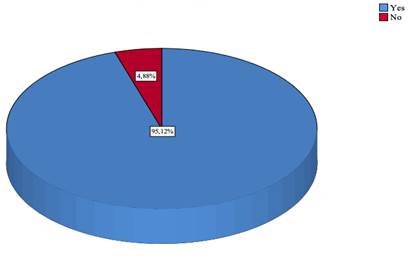
Figure 1. In the English learning process, do you use social networks?
Elaboration: Authors.
The data collected demonstrates that students consistently use social networks, not only for entertainment but also as informal learning tools. The fact that students “always” use these platforms indicates a high level of digital engagement and familiarity with technology, which serves as an important asset in 21st-century language education. Students are not passive consumers; they engage with social networks in dynamic ways that include watching videos and interacting with content that supports the development of vocabulary and listening comprehension (Shafirova & Sá, 2024). This behavior suggests that educators should not overlook the pedagogical potential of social media, as it aligns closely with the learners’ digital habits and preferences.
A notable finding is that students “always” use social network communication groups such as WhatsApp and Instagram inboxes to complete tasks and exchange information in English (Figure 2). These interactions represent authentic communicative experiences that mirror real-world language use. The informal nature of such communication fosters a relaxed atmosphere, encouraging students to use the target language without the fear of formal assessment. Furthermore, this kind of engagement supports Vygotsky’s concept of the Zone of Proximal Development (ZPD), where learners benefit from social interaction and peer collaboration to reach higher levels of language competence.
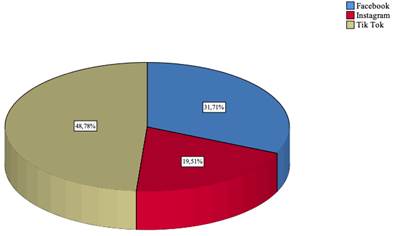
Figure 2. Which of these social networks do you use to learn English?
Elaboration: Authors.
Consequently, these platforms function as informal extensions of the classroom (Silva et al., 2024). Students report feeling consistently motivated to learn and communicate in English through social networks. This “always” response highlights the powerful role of motivation in language learning, particularly when the medium is familiar and engaging. The motivational impact may be attributed to the sense of agency and autonomy that social networks afford learners (Avci, 2024). When students have the freedom to choose what, how, and when to engage with language content, their intrinsic motivation increases. This supports the theoretical underpinnings of Deci and Ryan’s Self-Determination Theory, which emphasizes the importance of autonomy and competence in fostering motivation (Castro et al., 2025).
Teachers should thus consider incorporating digital autonomy into their lesson planning to sustain learner interest. Despite the students’ active use of social networks, teacher integration remains inconsistent, with responses indicating that teachers “sometimes” use social networks for forums and class activities (Figure 3). This disconnect suggests a gap in digital pedagogical practices. Some educators likely lack the training or confidence to incorporate social networks into their instructional strategies (Nejadghanbar et al., 2024). This highlights the need for professional development programs that equip teachers with both the theoretical and practical skills necessary to bridge digital practices with curriculum goals. The absence of a structured methodology for using social media in the classroom may result in missed opportunities to exploit the motivational and communicative advantages these tools offer (Andrade et al., 2025; Erazo-Luzuriaga, 2024).
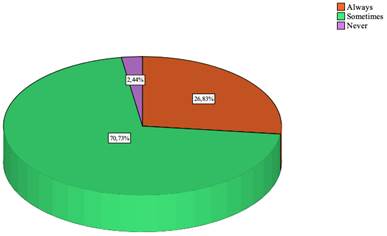
Figure 3. How often do you use social networks to learn English?
Elaboration: Authors.
Given that one of the objectives of the present study was to analyze the impact of social networks on the acquisition of authentic and contextualized vocabulary, we included a question aimed at identifying the frequency with which students encounter idiomatic expressions, colloquial terms or slang that they subsequently integrate into their linguistic repertoire (Sayed, et. al., 2024). Figure 4 below captures this information, providing detailed insight into the influence of these digital environments on participants' lexical expansion. This analysis is essential to understand how constant contact with spontaneous and real content favors the enrichment of linguistic knowledge.
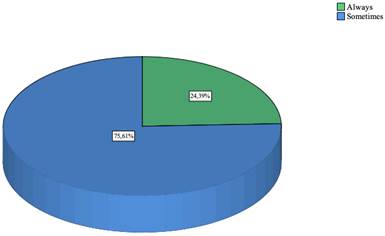
Figure 4. How often do you find expressions or slang through social networks that you incorporate into your lexicon?
Elaboration: Los authors.
The final observation reveals that students “always” use more than two social networks for educational purposes, with an average of four platforms in use. This multiplatform engagement reflects a significant shift in how learners’ access and interact with information. It also indicates that students can manage multiple sources of input, thus demonstrating digital literacy and self-regulation. Teachers and curriculum designers must acknowledge this reality and adapt by creating blended learning environments that incorporate various platforms. Such integration should not be superficial but guided by pedagogical objectives that leverage social networks for collaborative tasks, project-based learning, and real-time feedback, thereby maximizing their educational potential (Rezende & Drumond, 2024; Quinatoa-Chasi et. al., 2024).
In the first semester of the Idiomas Nacionales y Extranjeros program at the Universidad Nacional de Chimborazo, it was observed that many students actively utilize social networks to enhance their English pronunciation. However, not all learners are fully aware of the educational advantages these platforms offer. This reveals a pressing need to explore and implement teaching methods that integrate social media as a meaningful pedagogical tool. As noted, Oliveira and Dias (2024), digital content such as videos, songs, images, and podcasts in English makes a significant contribution to oral language development.
These resources introduce a modern form of didactics that aligns more effectively with the technological demands and flexible learning paradigms that characterize contemporary education. The use of digital content allows students to interact with authentic and dynamic materials, fostering autonomous learning and the development of communicative skills in real contexts. Student responses revealed an interesting combination of prior awareness and progressive discovery regarding the educational use of social networks (Moreno-Rodriguez et. al., 2024). While some participants had already recognized and taken advantage of platforms such as Instagram, YouTube and TikTok to learn vocabulary, practice pronunciation and reinforce grammatical aspects, others expressed surprise at discovering that these tools can perform functions beyond mere entertainment.
This process of discovery led to a noticeable increase in students' curiosity and degree of involvement with language learning. It was evident that participants became considerably more involved and proactive when they understood that language practice could be done in an informal, dynamic and self-managed way through the digital media they frequently use in their daily lives. This change in perspective not only facilitated a more receptive attitude towards learning but also generated a sense of personal ownership of the educational processes, as they perceived that they had control over their pace and study contents. As Angel and Rodrigues (2024) argue, technology-mediated learning can consolidate innovative practices that integrate academics with students' everyday experiences.
DISCUSSION
The findings of this study underscore the growing influence of social networks -particularly TikTok, Instagram, and YouTube- on the development of students’ oral proficiency in English as a Foreign Language. These platforms, once seen primarily as sources of entertainment, are increasingly serving as informal learning environments. Within these digital spaces, learners are exposed to authentic language input through context-rich content. Students report increased confidence in practicing pronutia pronunciation, expanding vocabulary, and understanding spoken English through videos, memes, tutorials, and short reels that simulate real-life conversations. These outcomes are consistent with recent research indicating that language learning become more engaging and effective when integrated into learners’ digital routines, especially when content aligns with their interests and everyday experiences (Barbosa et al., 2024).
Nonetheless, the role of educators within this evolving digital ecosystem remains somewhat undefined. While learners are naturally drawn to social media as a source of language exposure, many teachers remain hesitant to integrate these tools into their instructional practice. This gap may be attributed, in part, to the absence of comprehensive academic guidelines and well-established theoretical frameworks that support the formal use of social networks in language education. Nevertheless, learner behaviors, such as the spontaneous use of English idioms acquired through social media or frequent participation in online communication groups, suggest that these platforms do support real communicative development. Considering these observations, dismissing social media as merely recreational risk overlooking a valuable tool for foresting communicative competence in EFL contexts (Cruz Bustamante et al., 2024; Agudelo-Valdeleón, 2024).
The discussion must also take into account the pedagogical implications of these findings. Teachers occupy a unique position as mediator between students’ informal digital practices and the formal objectives language education. Instead of viewing social networks as distractions, educators can reframe them as a valuable pedagogical tools that, when purposefully integrated, enable students to engage with English in meaningful and consistent ways beyond the classroom. By promoting digital autonomy and encouraging learners to curate educational content through social media, instructors can enhance motivation, cultural exposure, and sustain oral practice. This approach aligns not only with Vygotsky’s concept of the Zone of Proximal Development but also resonates with Self-Determination Theory, which identifies autonomy and intrinsic motivation as essential drivers of effective learning (Nurfathiyah et al., 2025).
CONCLUSIONS
Social networks, particularly platforms such as TikTok, have become powerful tools for enhancing learners' oral English skills. Their flexible and user-friendly format, combine with their alignment to learners' interests and preferences, make them highly effective for improving pronunciation, vocabulary acquisition, and listening comprehension in authentic contexts. Moreover, these digital environments offer continuous access to real-life content that reflects everyday language use. Such exposure promotes the internalization of linguistic structures and builds communicative confidence. The blend of entertainment and learning further increases learners' intrinsic motivation. In this sense, social networks represent a valuable resource in foreign language education.
Although some educators remain cautious about fully incorporating social networks into formal instruction, largely due to the limited body of academic evidence, student behavior demonstrates clear and tangible educational benefits. Learners are spontaneously acquiring vocabulary, idiomatic expressions and grammatical structures encountered on these platforms and incorporating them into their everyday communication. This trend indicates that such tools facilitate a more authentic and functional use of language, surpassing the prescriptive nature of traditional textbooks. Additional, regular exposure to real-world materials enhances pragmatic competence. Therefore, it is essential to critically and systematically reconsider the pedagogical potential of these platforms.
Considering the growing influence of digital media on foreign language exposure, it is recommended that educators guide students in using social networks responsibly, critically and with well-defined learning objectives. By fostering communicative spaces where learners can practice oral skills, reflect on their progress, and share meaningful experiences, teachers helps create more enganging and participatory environments. This pedagogical support bridges the gap between informal learning that takes place online and the curricular goals of traditional classrooms. Furthermore, such integration fosters autonomy and self-regulation, contributing to the development of more relevant and contextually grounded educational practices.
FUNDING
No monetary.
ACKNOWLEDGMENT
To all the social actors involved in the research process.
REFERENCIAS CONSULTADAS
Agudelo-Valdeleón, O. L. (2024). El impacto de la neuropsicopedagogía en la mejora del aprendizaje. Journal of Economic and Social Science Research, 4(2), 226–245. https://doi.org/10.55813/gaea/jessr/v4/n2/109
Andrade, R. M. D., Gaspar, R., & Lins, R. G. (2025). Methodology for using digital information and communication technologies in the students’ socio-emotional skills development. Educação Em Revista, 41, e49142. https://doi.org/10.1590/0102-469849142T
Ángel, E. F. C., & Rodrigues, B. G. (2024). Media as a critical pedagogy scenario to promote reexistence literacies with pre-service English teachers. Texto Livre, 17, e46827. https://doi.org/10.1590/1983-3652.2024.46827
Avci, I. (2024). Factors Influencing the Boycott Intentions of Turkish Consumers amid the Israel-Palestine Conflict. Revista Brasileira de Gestão de Negócios, 26, e20240035. https://doi.org/10.7819/rbgn.v26i4.4282
Barbosa, H. T. d. S., Giacchini, V., Araújo, E. S., & Cáceres-Assenço, A. M. (2024). Does a training course on early childhood communication have an impact on the knowledge of early childhood education professionals? CoDAS, 36, e20230192. https://doi.org/10.1590/2317-1782/20242023192en
Cajamarca-Correa, M. A., Cangas-Cadena, A. L., Sánchez-Simbaña, S. E., & Pérez-Guillermo, A. G. (2024). Nuevas tendencias en el uso de recursos y herramientas de la Tecnología Educativa para la Educación Universitaria. Journal of Economic and Social Science Research, 4(3), 127–150. https://doi.org/10.55813/gaea/jessr/v4/n3/124
Castro, B. M., Pessoa, M. L. de O. M., Rodrigues, V. T., Medeiros, F. P. M. de, Caminha, M. de F. da C., & Falbo, A. R. (2025). Intrinsic motivation of Medical students in the remote tutorial group during the Sars-CoV2 pandemic. Revista Brasileira de Educação Médica, 49, e047. https://doi.org/10.1590/1981-5271v49.1-2024-0102.ING
Cosmo, C. F. de A., Jesus, A. S. de, Sales, M. M., Luz, M. P. da, & Mascarenha, M. M. dos A. (2024). Educational videos on erosion disseminated through social media for soil education. Revista Brasileira de Ciência Do Solo, 48, e0230166. https://doi.org/10.36783/18069657rbcs20230166
Cruz Bustamante, D., Cisterna Zenteno, C., Cruz Bustamante, D., & Cisterna Zenteno, C. (2024). El uso de TikTok® para mejorar la precisión oral de estudiantes universitarios de primer año. Revista Innovaciones Educativas, 26(41), 7–24. https://doi.org/10.22458/ie.v26i41.5119
Erazo-Luzuriaga, A. F. (2024). Integración de las TICs en el aula: Un análisis de su impacto en el rendimiento académico. Revista Científica Zambos, 3(1), 56-72. https://doi.org/10.69484/rcz/v3/n1/12
Isea Argüelles, J. J., Álvarez Gómez, G. A., Romero Fernández, A. J., & Comas Rodríguez, R. (2024). Promoción del aprendizaje significativo a través del uso de redes sociales. Dilemas contemporáneos: Educación, Política y Valores, 12(Especial). https://doi.org/10.46377/dilemas.v12i.4415
Leiva Soto, R. A., Benavides Almarza, C. F., & Riveros Martínez, A. (2024). Me and my smartphone. Motivations for using it among young Chileans. A study over time. Revista de Comunicación, 23(1), 295–313. https://doi.org/10.26441/rc23.1-2024-3334
Maia, N. M. F. e S., Araújo, A. A. C., Santos, A. M. R. dos, Schreck, R. S. C., Peres, M. A. de A., & Santos, F. B. O. (2025). Reach and engagement on the history of nursing on social media in light of Pierre Lévy. Revista Brasileira de Enfermagem, 78, e20240228. https://doi.org/10.1590/0034-7167-2024-0228
Miguez, S. F., Souza, R. da C. B. de, & Pinheiro, R. (2024). Territories of social-environmental management and health in the Amazônia. Saúde Em Debate, 48, e8734. https://doi.org/10.1590/2358-28982024E18734I
Moreno-Rodriguez, C. J., Otavalo-Criollo, I. A., Gallardo-Chiluisa, N. N., Díaz-Avelino, J. R., Ochoa Reyes, R. D., Moreno-Gudiño, B. P., Peñaherrera Andrade, R. S., & Ojeda-Ojeda, J. J. (2024). Gestión del Conocimiento y Educación en el Desarrollo Organizacional y Académico. Editorial Grupo AEA. https://doi.org/10.55813/egaea.l.98
Nejadghanbar, H., Song, J., & Hu, G. (2024). English Language Teachers’ Emotional Vulnerability in the Era of Self-Branding on Social Media. TESOL Quarterly, 58(4), 1734–1760. https://doi.org/10.1002/tesq.3312
Nurfathiyah, P., Sarwoprasodjo, S., Muljono, P., & Matindas, K. (2025). Social learning model of ornamental plant farmers in using social media for marketing. Ornamental Horticulture, 31, e312846. https://doi.org/10.1590/2447-536X.v31.e312846
Oliveira, F. M. de, & Dias, R. (2024). Digital technologies, literacies and multimodality: possibilities of teaching English orality in higher education. Alfa: Revista de Linguística (São José Do Rio Preto), 68, e17292. https://doi.org/10.1590/1981-5794-e17292t
Picanço, T. S., Souza, M. C. R. de, Figueiredo, A. P. S., Urban, R. C., Cabrero, B. S., Canela, M. C., & Souza, M. O. (2025). Exploratory Study on the Impact of Climatic Factors and Vehicle Traffic on Ozone and BTEX Levels in Itaperuna, Brazil. Journal of the Brazilian Chemical Society, 36(6), e-20250038. https://doi.org/10.21577/0103-5053.20250038
Quinatoa-Chasi, W. D., Cepeda-Valente, W. M., Chasi-Chela, A. V., Chasi-Chela, N. F., Casanova-Villalba, C. I., Salgado-Ortiz, P. J., Guerrero-Freire, E. I., Guerrero-Freire, A. E., Herrera-Sánchez, M. J., Mina-Bone, S. G., Santana-Torres, A. A., Rios-Gaibor, C. G., Calero-Cherres, R. V., López-Salinas, C. M., Mora-Estrada, I. A., & Chuchuca-Peñaloza, P. M. (2024). Fronteras del Futuro: Innovación y Desarrollo en Ciencia y Tecnología. Editorial Grupo AEA. https://doi.org/10.55813/egaea.l.69
Ramírez Romero, J. L., Gómez Domínguez, C. E., Salas Juárez, C. J., Bautista Hernández, G., Ramírez Romero, J. L., Gómez Domínguez, C. E., Salas Juárez, C. J., & Bautista Hernández, G. (2024). El Uso de las TIC por Parte de Docentes de Inglés de Primarias Públicas en México: Enseñanza Remota de Emergencia y Retos para Tiempos Postpandemia. Perspectiva Educacional, 63(2), 83–104. https://doi.org/10.4151/07189729-vol.63-iss.2-art.1434
Rezende, L. V. R., & Drumond, L. B. B. (2024). Communicating science: The use of public social networks by Brazilian scientific journals in the Area “Communication and Information.” RDBCI: Revista Digital de Biblioteconomia e Ciência Da Informação, 21, e023025. https://doi.org/10.20396/rdbci.v21i00./8672917
Santander-Salmon, E. S. (2024). Métodos pedagógicos innovadores: Una revisión de las mejores prácticas actuales. Revista Científica Zambos, 3(1), 73-90. https://doi.org/10.69484/rcz/v3/n1/13
Santos Júnior, C. J. dos, Almeida, I. M. de, & Fischer, F. M. (2025). Public policies for occupational safety and health in Brazil. Ciência & Saúde Coletiva, 30, e14452023. https://doi.org/10.1590/1413-812320242911.14452023
Sasmi, M., Agustar, A., Syarfi, I. W., & Hasnah. (2025). Association-based rubber trading system as an agricultural development innovation. Brazilian Journal of Biology, 85, e294584. https://doi.org/10.1590/1519-6984.294584
Sayed, T., Malan, H., & Fourie, E. (2024). Exploring the associations between resilience and psychological well-being among South Africans during COVID-19. Frontiers in Psychology, 15. https://doi.org/10.3389/fpsyg.2024.1323466
Shafirova, L., & Sá, M. H. A. e. (2024). Students making videos on social media: Exploring the potential of online videos for language learning. Texto Livre, 17, e51663. https://doi.org/10.1590/1983-3652.2024.51663
Silva, H. S., Lopes, J., Estrada, J. A. C., Fernandez-Rio, J., & Leite, Â. (2024). Cooperative learning scale: Validation among Portuguese and Brazilian university students. Revista Brasileira de Educação, 29, e290013. https://doi.org/10.1590/S1413-24782024290014
Valle, P. R. D., & Ferreira, J. D. L. (2025). Content analysis in the perspective of bardin: contributions and limitations for qualitative research in education. Educação Em Revista, 41, e49377. https://doi.org/10.1590/0102-469849377-t
Vargas, A. M. D., Teixeira, D. S. d. C., Alves, M. C. G. P., Alencar, G. P., Bernal, R. T. I., Vasconcelos, M., Pinto, R. d. S., Drummond, A. M. A., Moura, R. N. V. de, Gomes, V. E., & Ferreira, R. C. (2025). Methodological aspects of national surveys in Brazil: Contributions to the debate on oral health surveillance. Brazilian Oral Research, 39, e043. https://doi.org/10.1590/1807-3107bor-2025.vol39.043
Zúñiga, J. R., Osorio-Toro, S., Pérez, L. E., Zúñiga, J. R., Osorio-Toro, S., & Pérez, L. E. (2024). Cómo Aprenden los Estudiantes de Medicina y Cirugía sobre la Anatomía Macroscópica Humana. International Journal of Morphology, 42(5), 1382–1393. https://doi.org/10.4067/S0717-95022024000501382
©2025 por los autores. Este artículo es de acceso abierto y distribuido según los términos y condiciones de la licencia Creative Commons Atribución-NoComercial-CompartirIgual 4.0 Internacional (CC BY-NC-SA 4.0) (https://creativecommons.org/licenses/by-nc-sa/4.0/).